TeamUP Usability Tests and Small-Scale Trial in Ranst
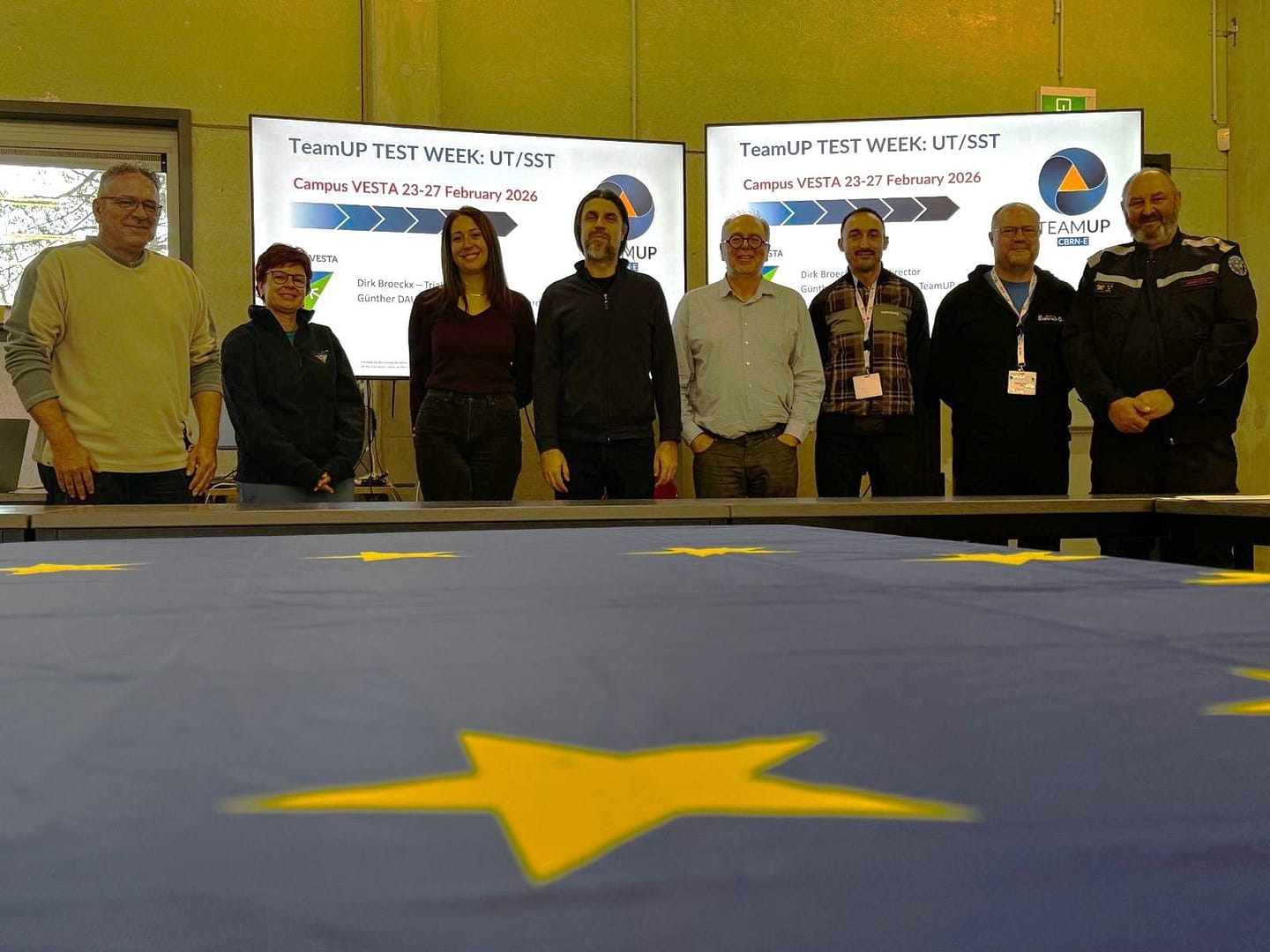
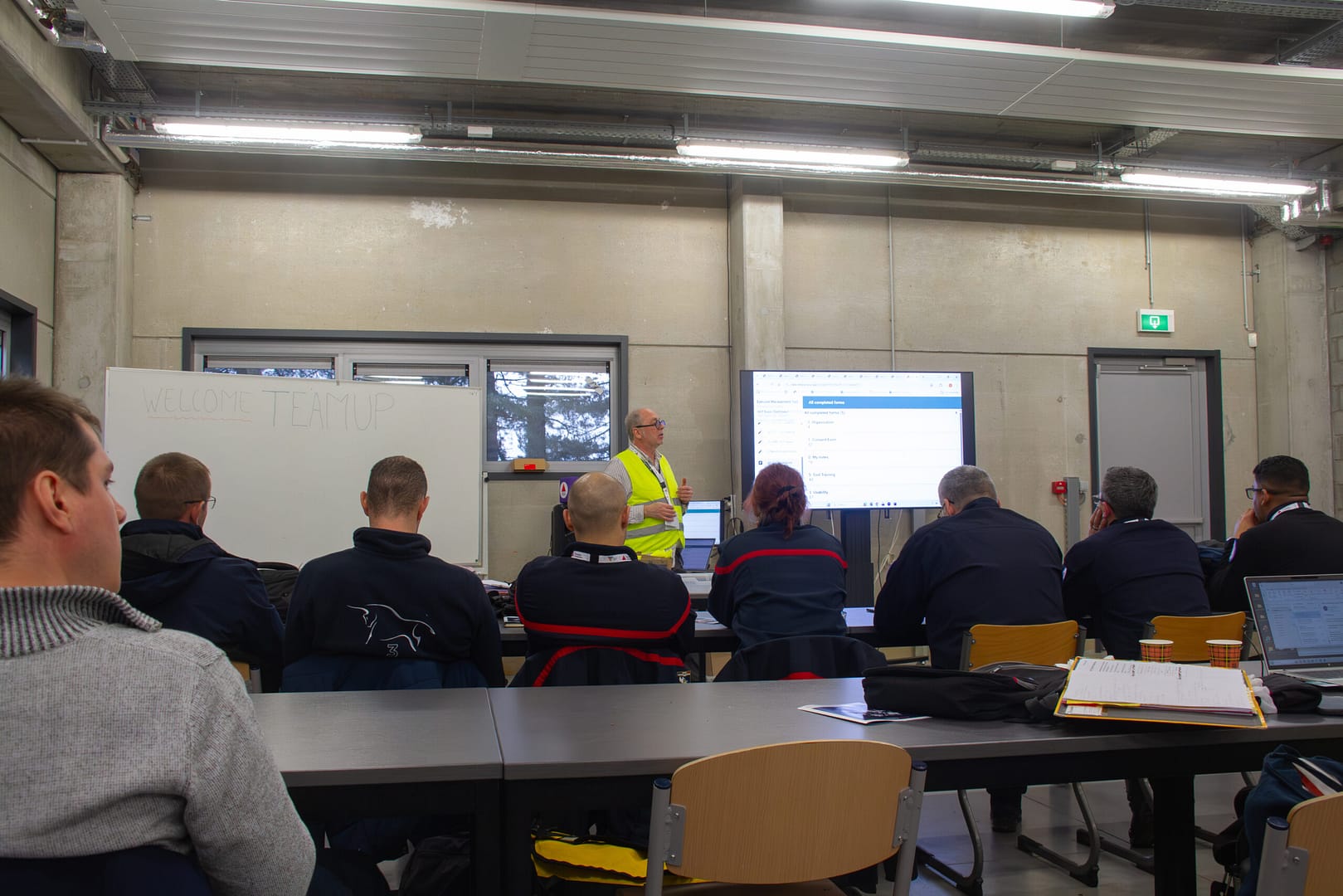
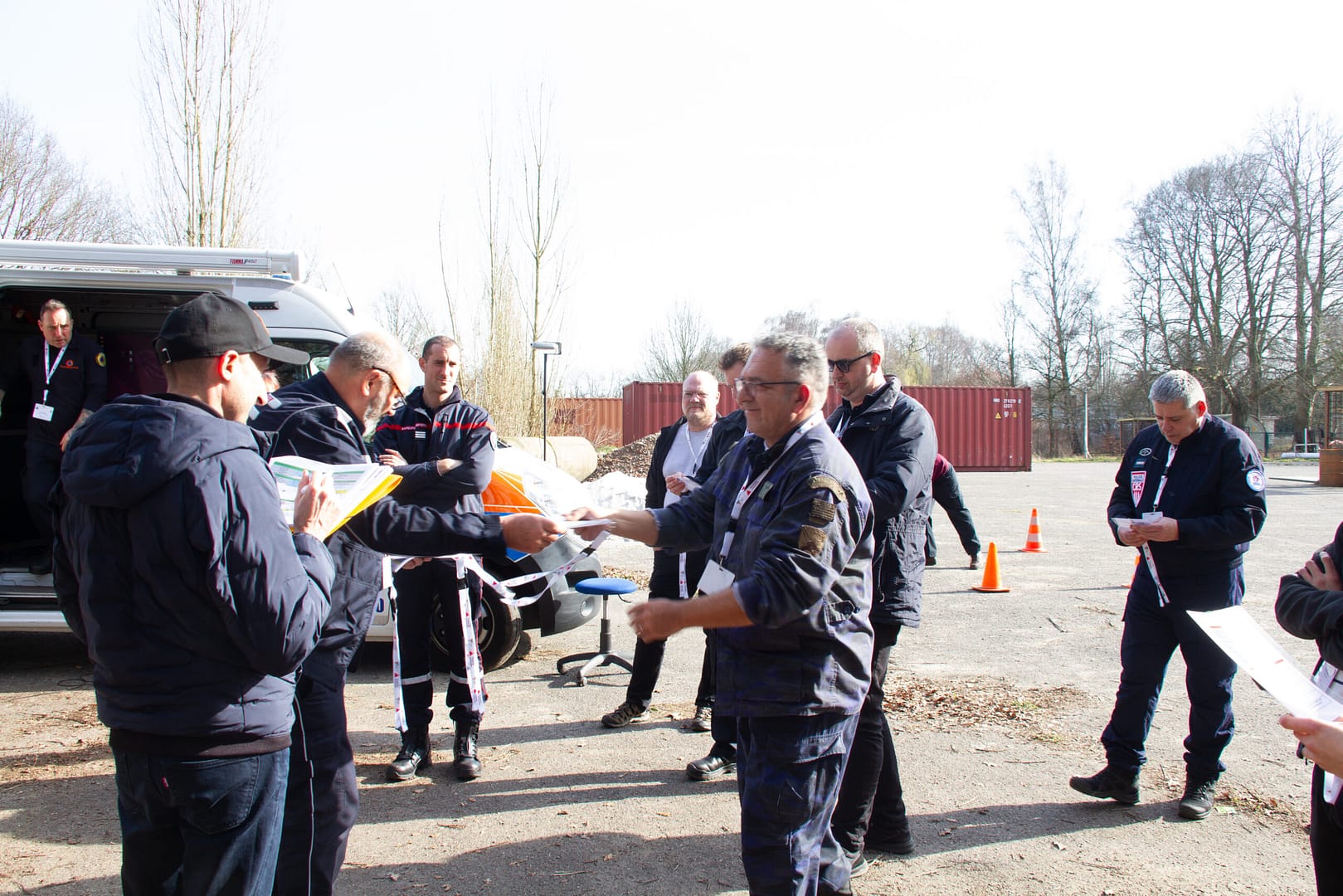
From 23 to 27 February, the TeamUP consortium gathered in Ranst, Belgium with more than 90 participants from 7 countries to evaluate over 20 CBRN-E technologies in an operational setting. The Usability Tests (UT) and Small-Scale Trial (SST) were hosted by Campus VESTA, bringing together technology developers, researchers, and different end users and first responders from across Europe.

The testing week formed a key part of the project’s progressive validation cycle.
From laboratory validation to operational testing
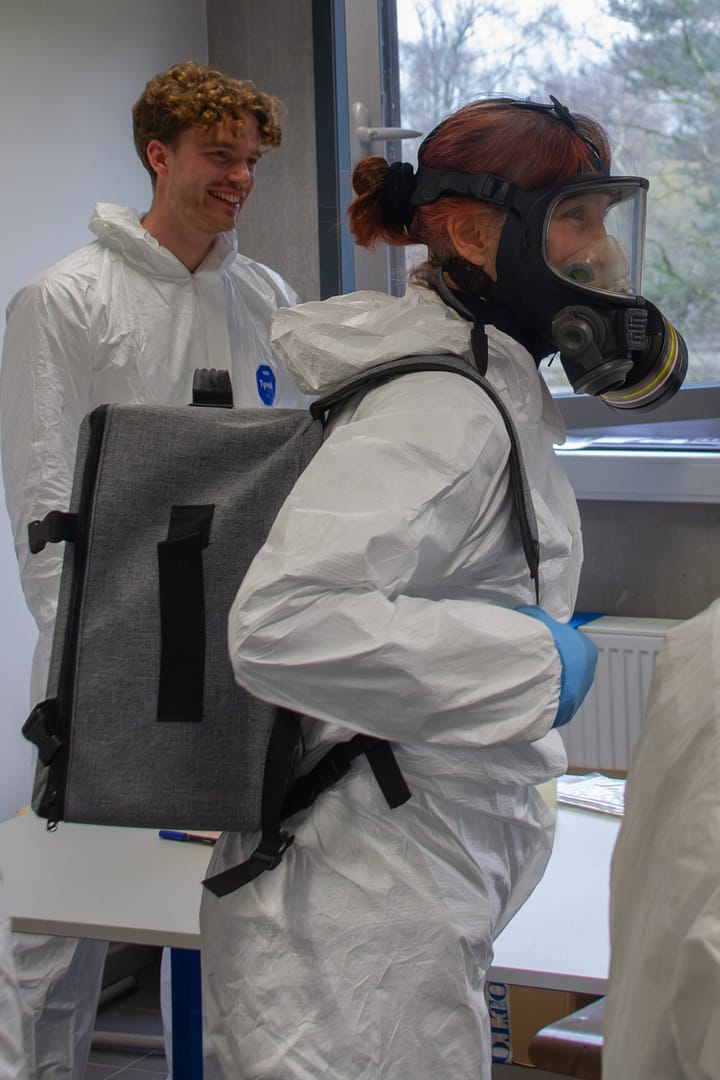
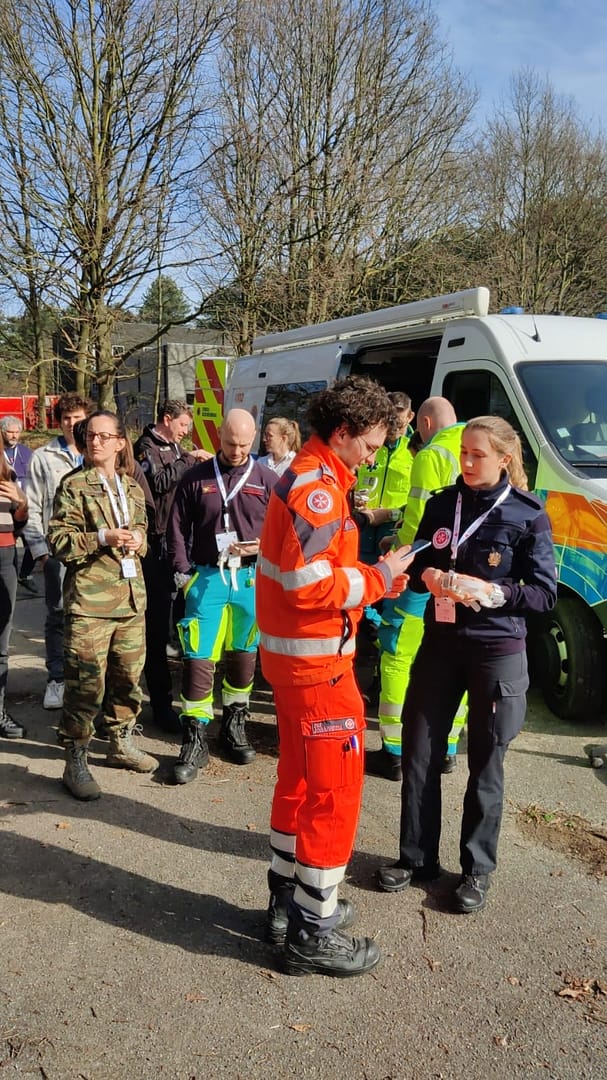
During the initial laboratory testing phase, the emphasis was on technical performance and reliability, functional verification of components and controlled experimentation. The Usability Tests, conducted on Tuesday and Wednesday, concentrated on individual systems and closely related toolsets. First responders from different fields assessed handling, usability, clarity of interfaces, and compatibility with protective equipment. The central question was not only whether the tools were technically feasible, but whether they were intuitive, practical, and supportive within real operational workflows.
The following technologies were tested by the end users:
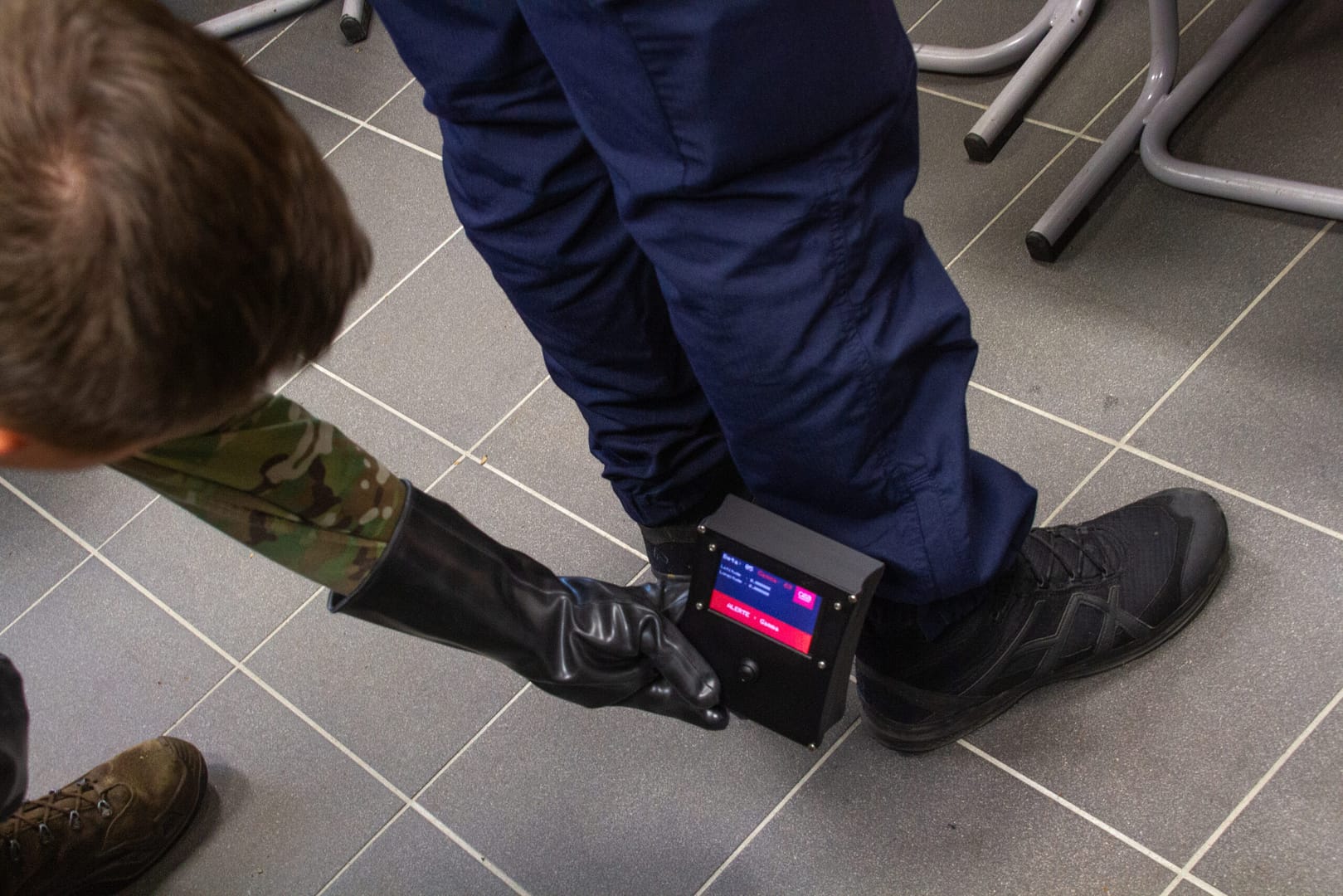
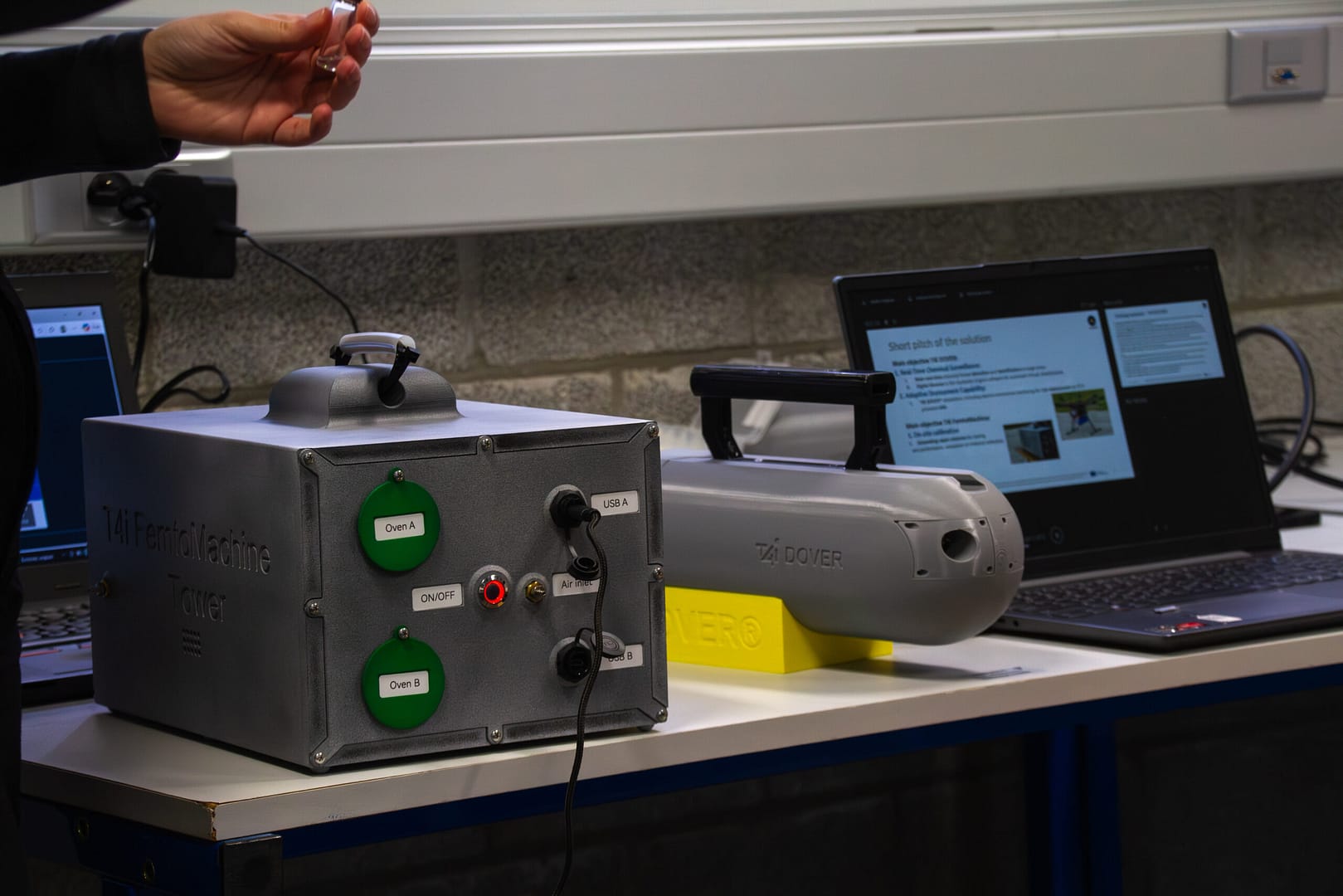
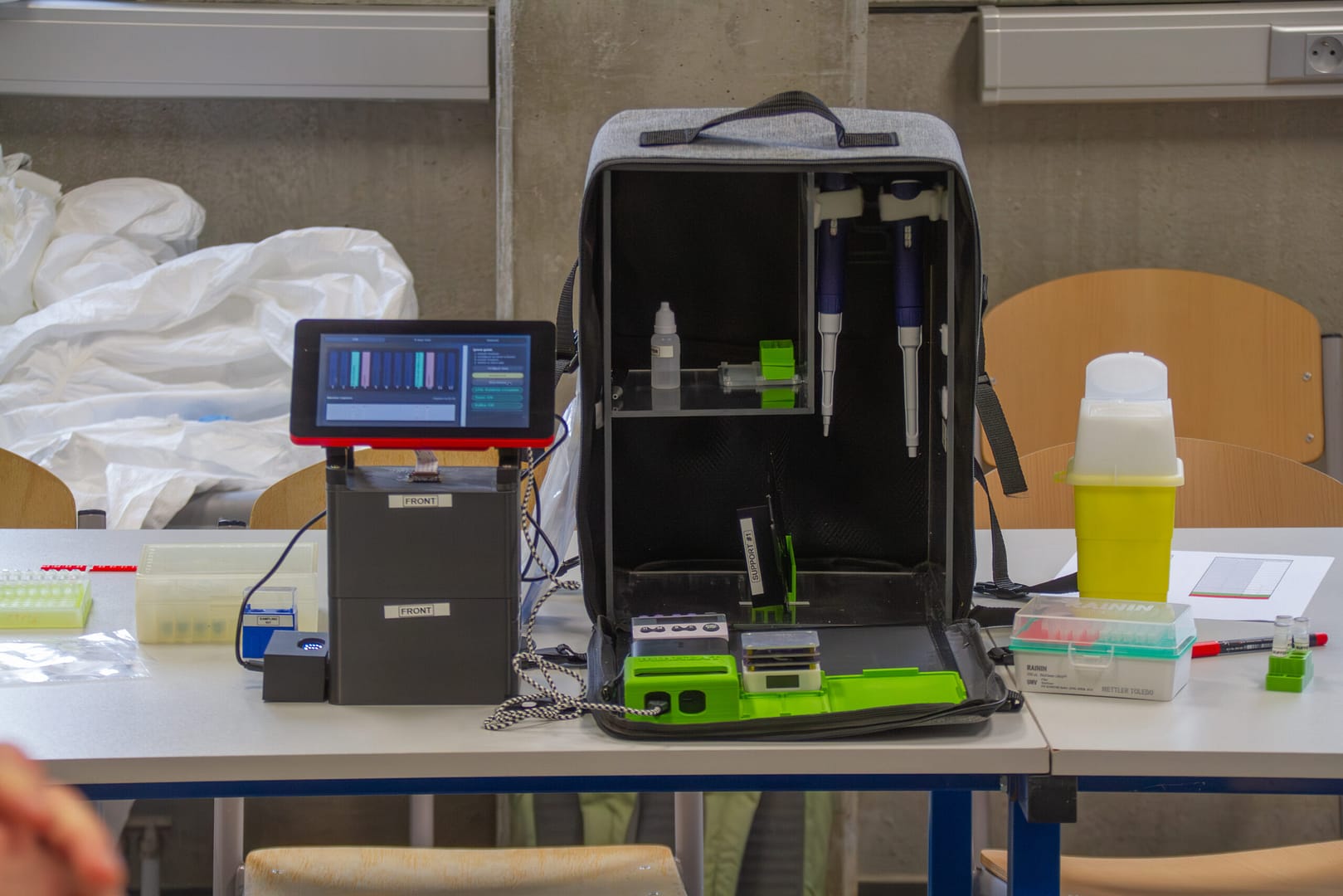
- In Detection, Identification and Monitoring, the FemtoMachine supported calibration through stable vapour generation, while the DOVER and RapID enabled rapid identification of chemical and alert of explosive substances. The portable Beta Gamma Detector provided radiological detection with real-time alerts and mapping capability, and the Backpack LAMP and FET LAMP enabled fast biological analysis.
- For Search and Rescue, the Environmental Sensor supplied real-time environmental data to support hazard assessment and operational planning.
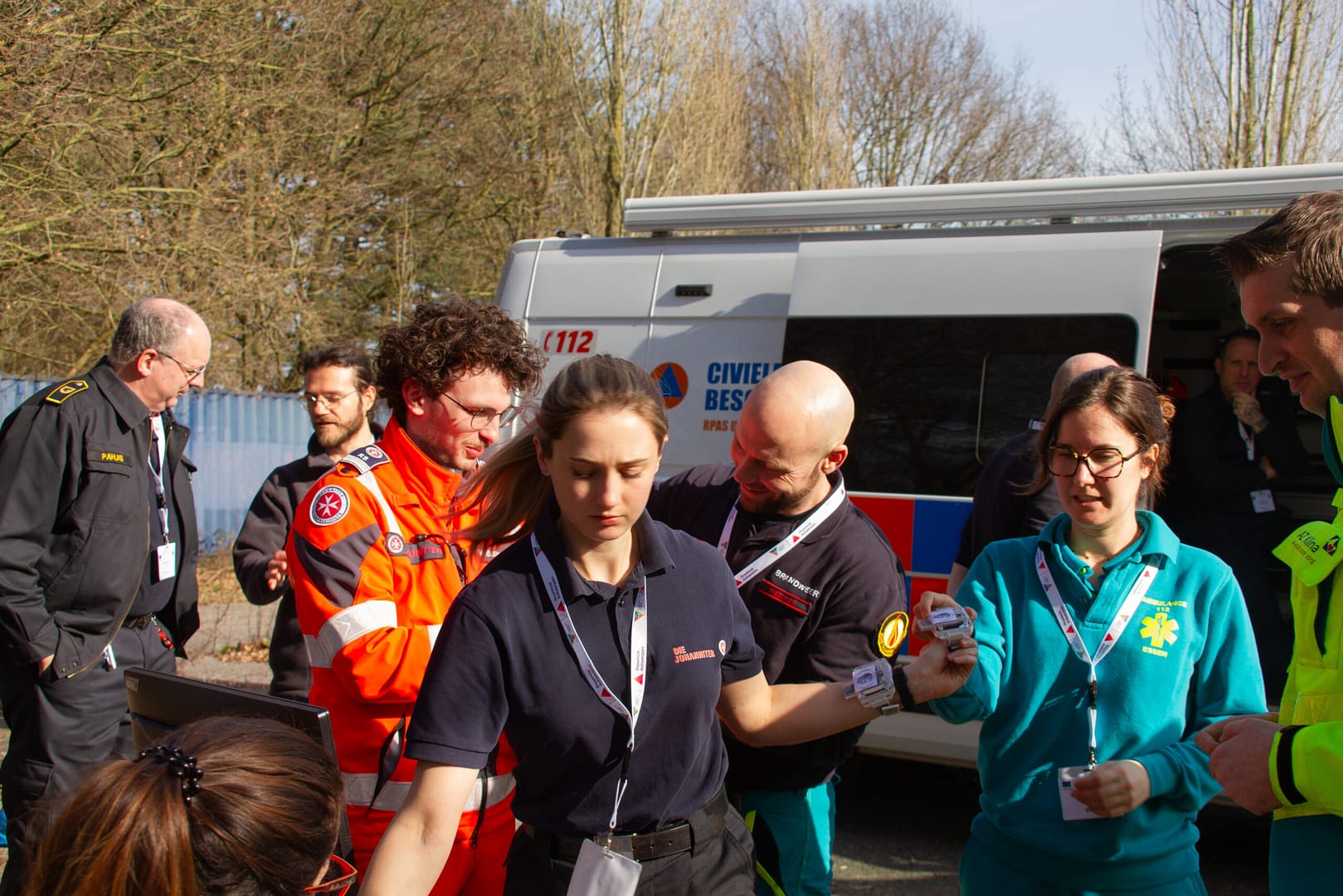
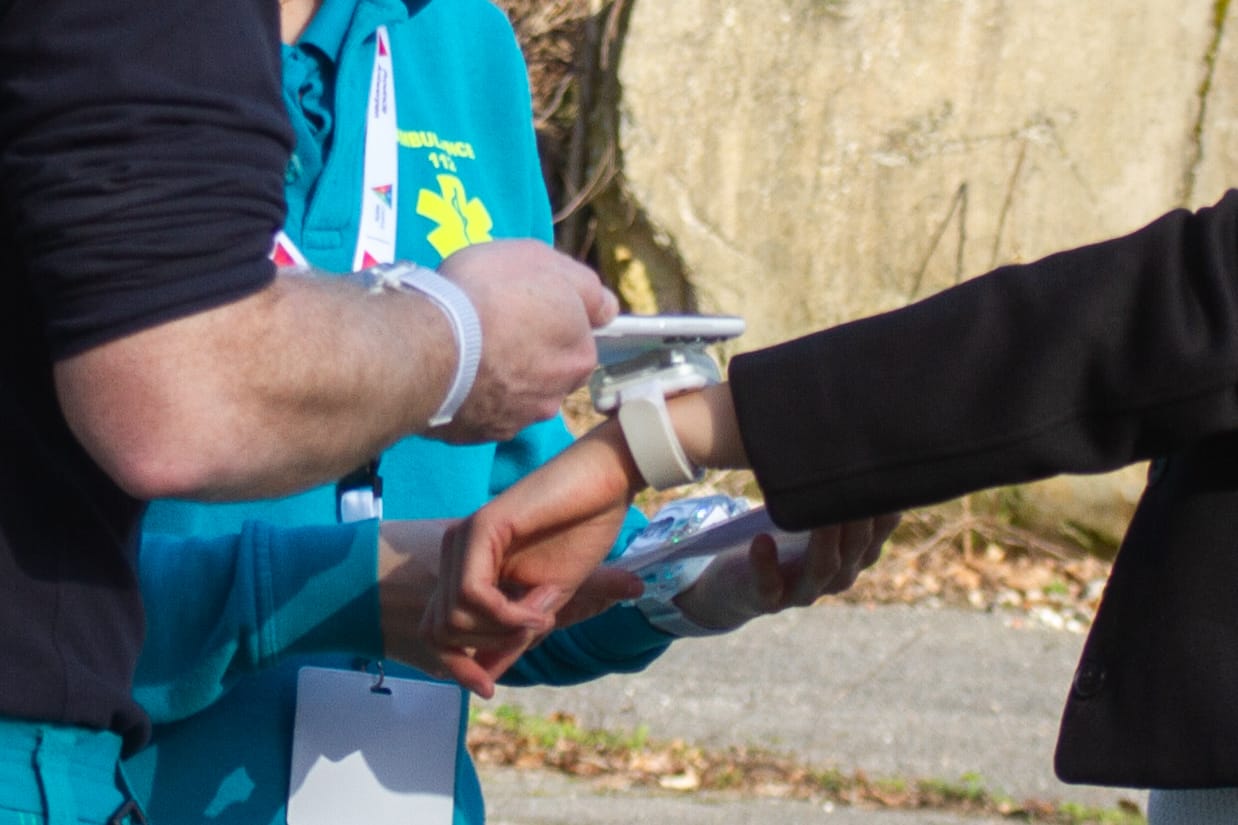
- In Triage, AR Glasses enabled hands-free recording and visualisation of casualty information.
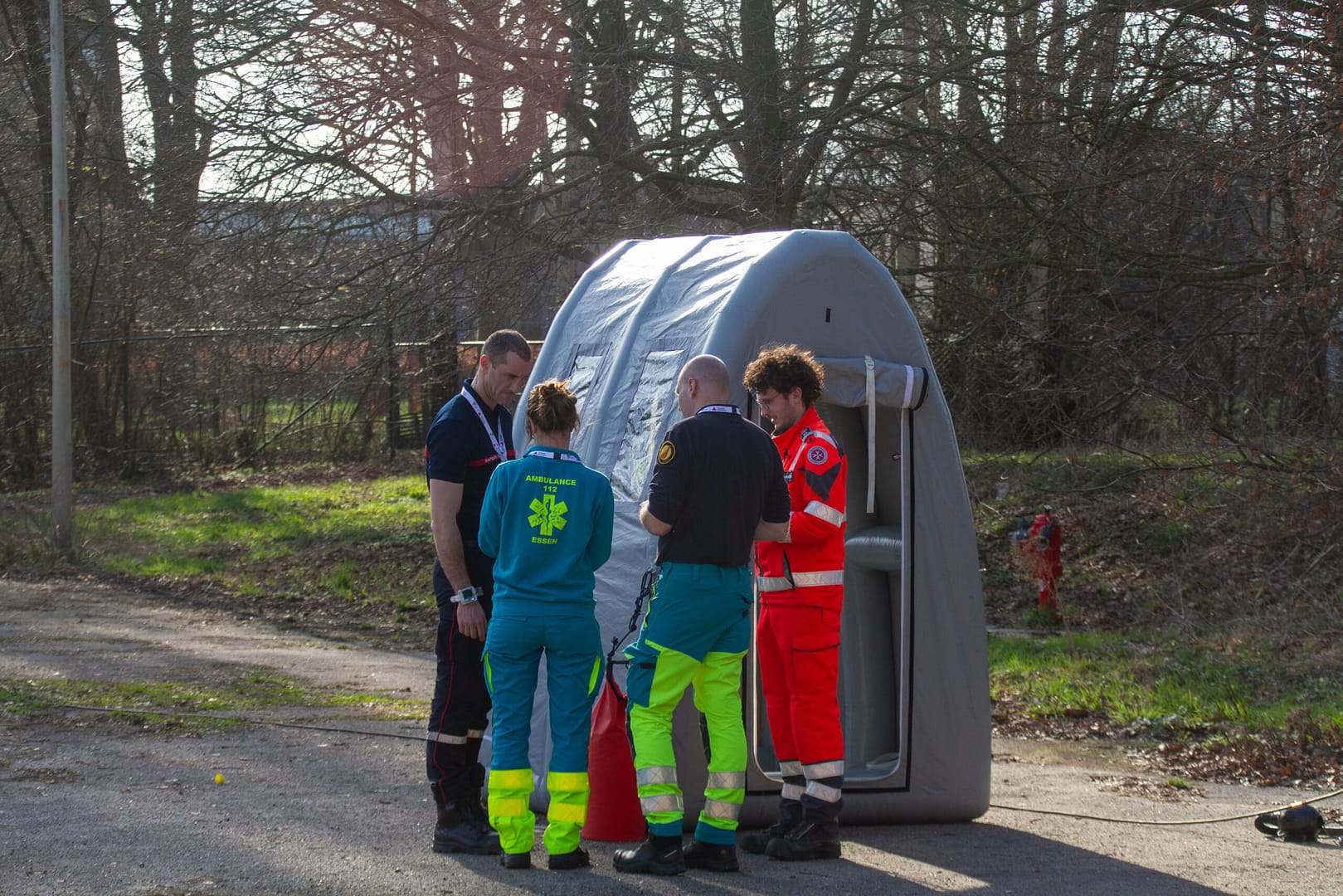
- Within Decontamination, the Fast Deployable Mass Decontamination System allowed rapid setup, supported by the DECON Body Pose Estimation Tool for guided posture and the Localization and DECON Monitoring Sensor for equipment tracking.
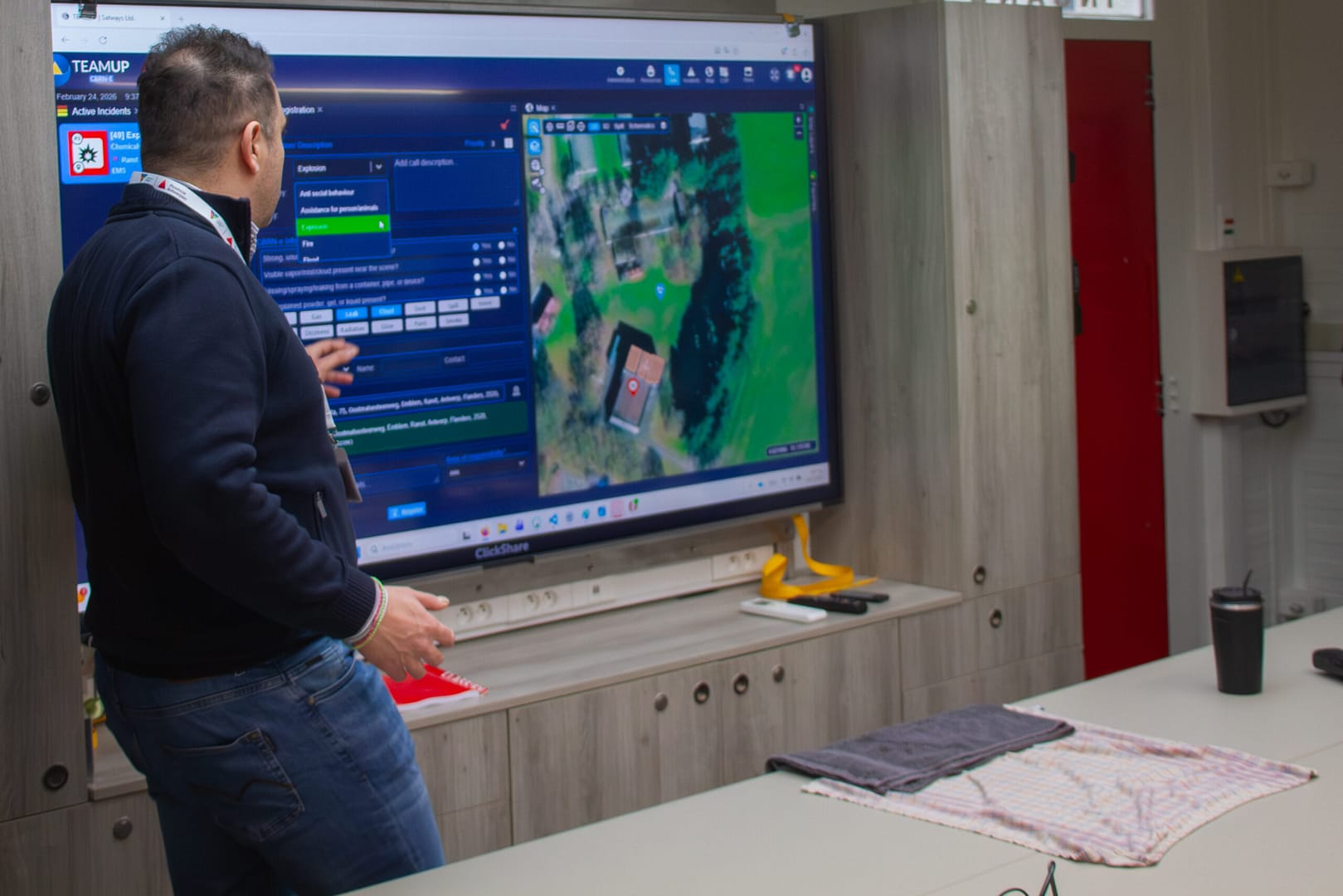
- At Command level, the Incident Management System and Data Fusion Engine strengthened coordination, data integration and situational awareness, while the AR Citizen Awareness App supported public guidance and structured incident reporting.
Structured feedback was collected throughout the sessions to capture user experience, integration challenges, and perceived added value.
Scenario-based Small-Scale Trial
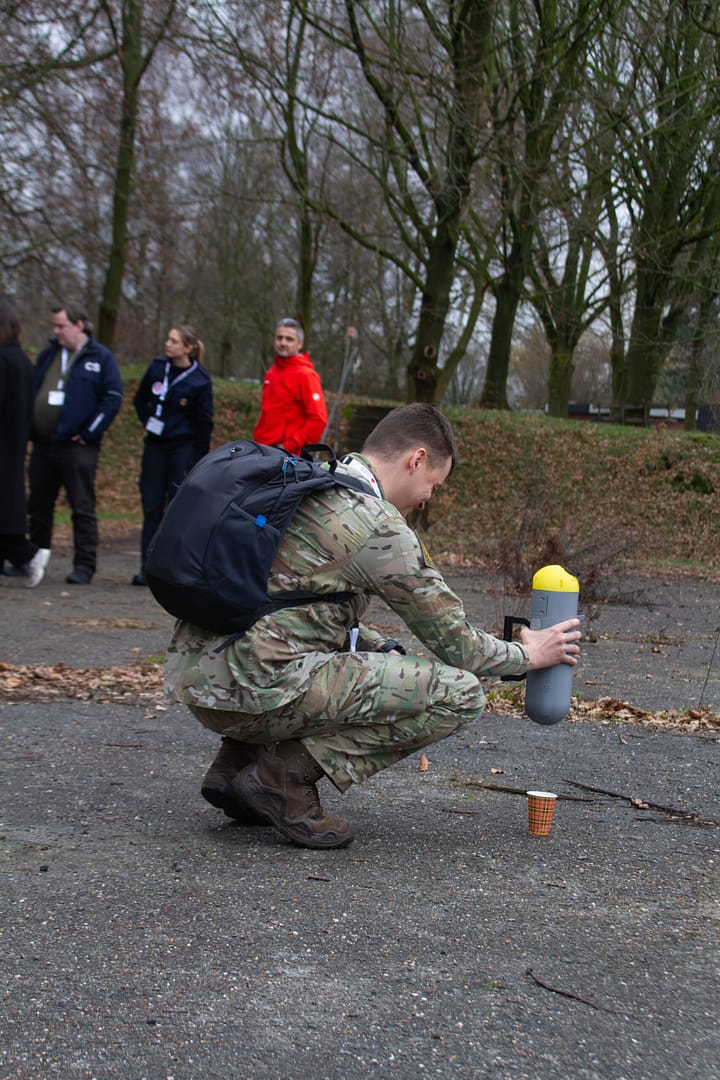
On Thursday, selected technologies were integrated into a coordinated Small-Scale Trial built around a complex CBRN-E scenario. The exercise simulated an early morning explosion at an industrial storage facility on the outskirts of a town. The blast damaged a warehouse, released hazardous chemicals, and involved multiple vehicles. Casualties presented signs of chemical exposure and blast trauma, and the discovery of a suspicious substance near the blast site escalated the situation into a combined CBRN and security incident.
As the scenario evolved, responders carried out detection, search and rescue, triage, decontamination, and coordinated command activities. Within this dynamic setting, several TeamUP solutions were deployed simultaneously to assess how they functioned both individually and in combination.
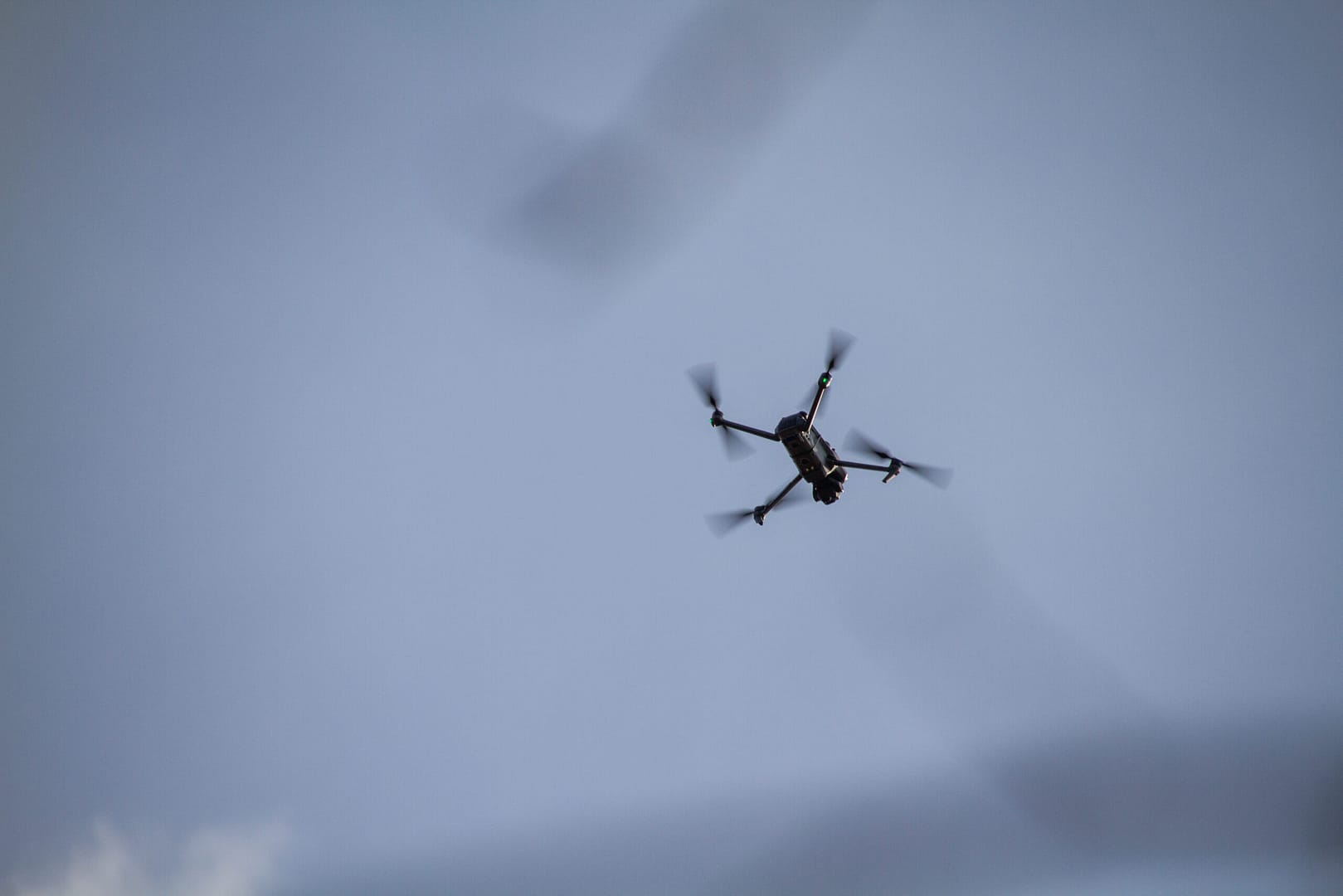
The UAV-based platform supported aerial situational awareness through victim detection, tracking, localization, and ambulatory status estimation, assisting both hazard assessment and search and rescue operations. The Digital Triage ecosystem, consisting of the Digital Triage Tag, App, and Dashboard, enabled continuous transmission of biometric data, triage status assignment, recording of medical interventions, and centralized oversight of victim information. First Responders’ Wearable Devices were also deployed during the scenario to monitor responder health status in real time. The Worksite Operations Application facilitated structured coordination of responders, victims, and equipment on site.
The Fast Deployable Mass Decontamination System that was tested earlier for setup time, enclosure sealing, and wet decontamination performance was deployed on site.
In parallel, a structured breath sampling workflow tested the logistics, handling, transport, and analysis readiness of collected samples. Command-level coordination was supported by the Incident Management System and Data Fusion Engine module, which enhanced information flow and multi-agency decision-making throughout the exercise.
The Small-Scale Trial examined how the solutions aligned with existing emergency procedures and where adaptations might be required. Particular attention was given to:
- Interoperability between systems
- Information flow across agencies
- Alignment with command structures
- Impact on operational decision-making
- Practical implications for triage, detection, decontamination, and coordination


Feedback and next steps
Throughout the week, evaluation methods included structured observation, digital questionnaires, and detailed debriefings with participating responders. The collected feedback will guide technical refinements, interface improvements, and procedural alignment in the next development phase.
The testing and trial week represented a significant transition point: from validating individual technical components toward assessing integrated operational capability within a coordinated, multi-agency CBRN-E response framework. The findings will directly inform preparations for the upcoming Full-Scale Trials later in the project.