TeamUP completes lab testing in Brussels, Euskirchen and Rheinbach
TeamUP partners have wrapped up three further laboratory tests in Brussels, Euskirchen and Rheinbach completing the project’s second round of testing activities. Following the laboratory test in Vienna, the focus of the latest tests was on chemical, biological, radiological and explosive detection, identification and monitoring technologies , plus operational decision support toolkit.
Testing TeamUP tools in controlled settings
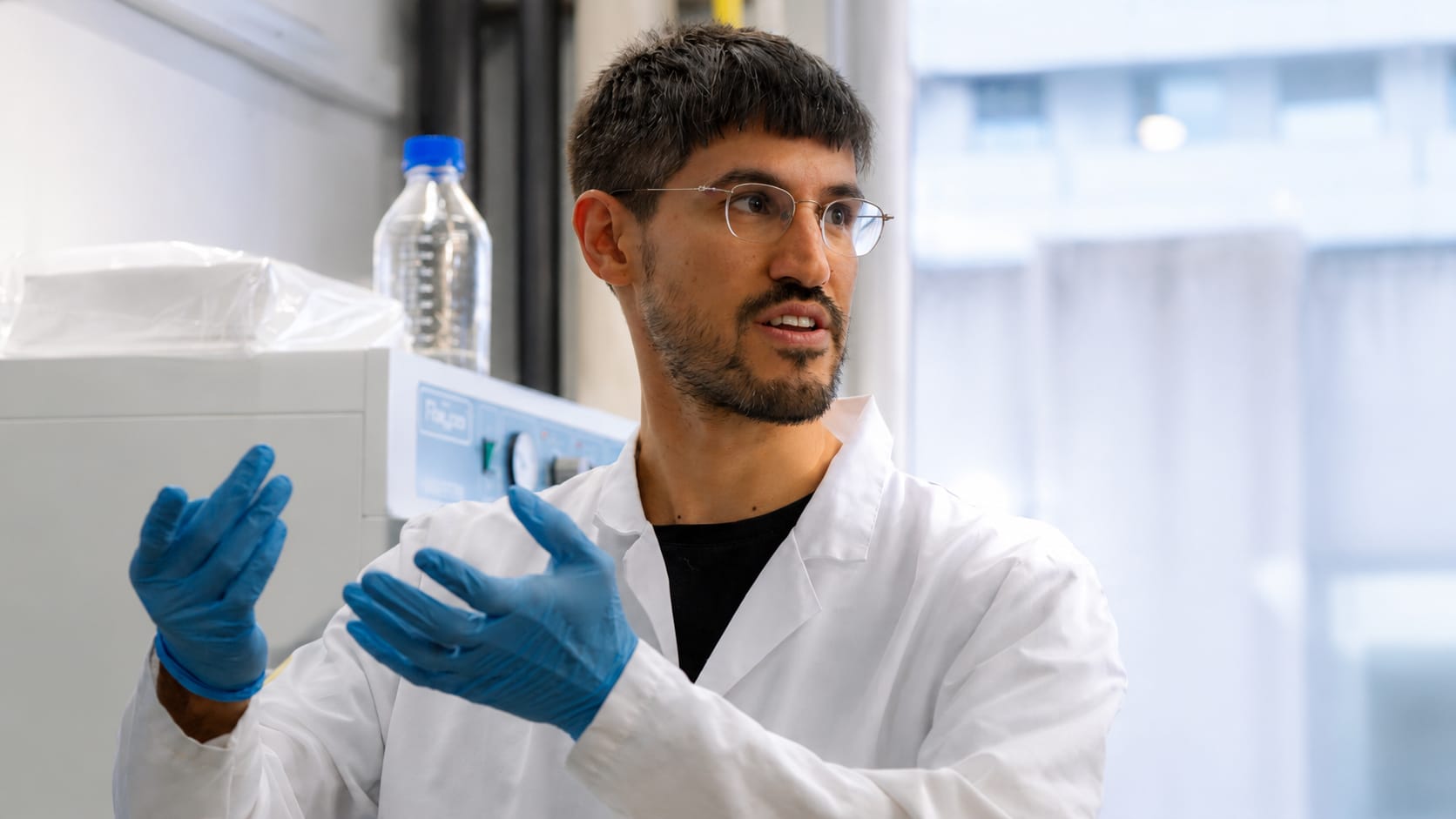
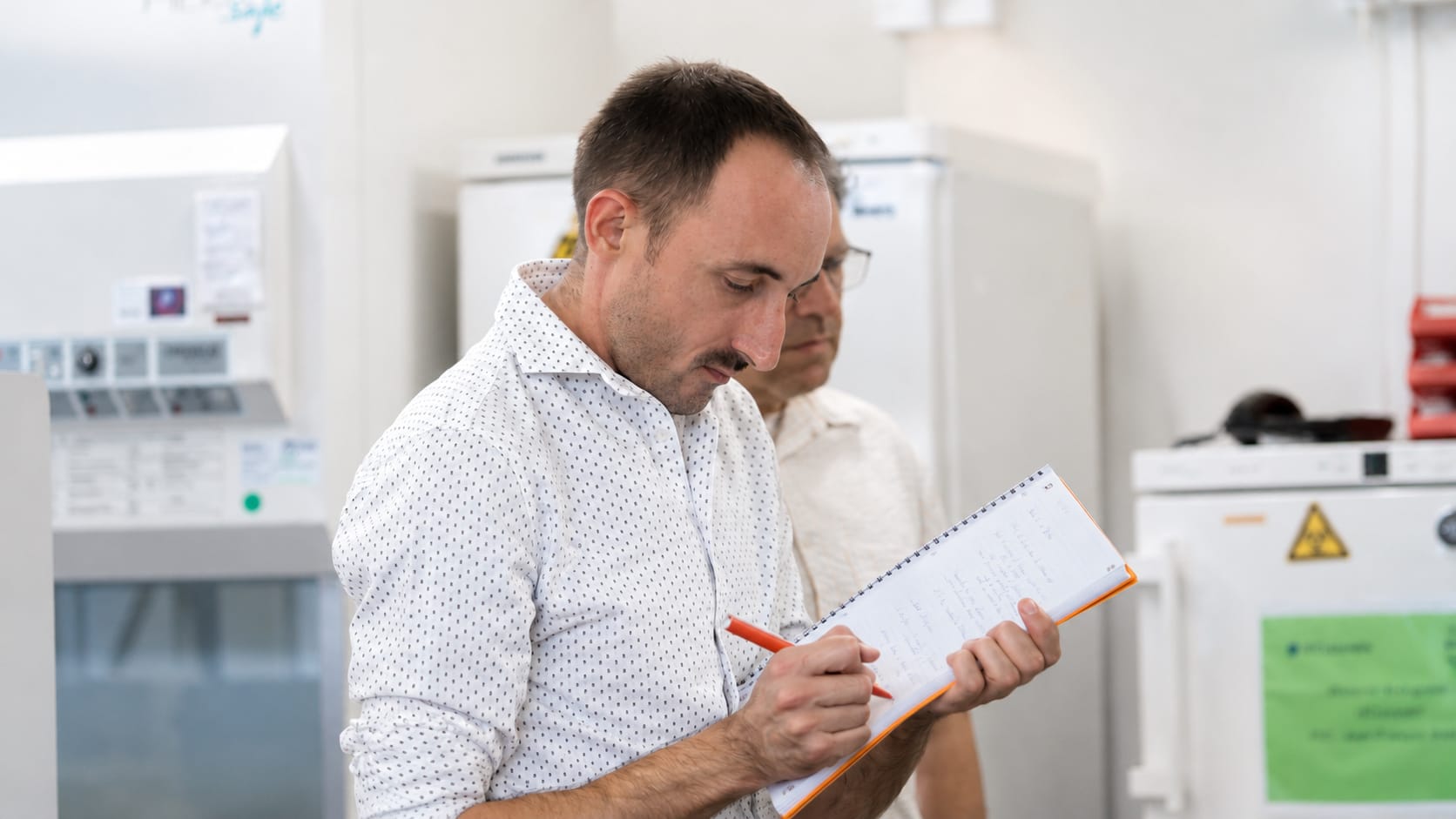
Lab Test 2.2 was conducted on 3 July 2026 at the Centre de Technologies Moléculaires Appliquées (CTMA) of UCLouvain in Brussels. It looked at several TeamUP tools for chemical and biological detection, radiological detection, and operational guidance.
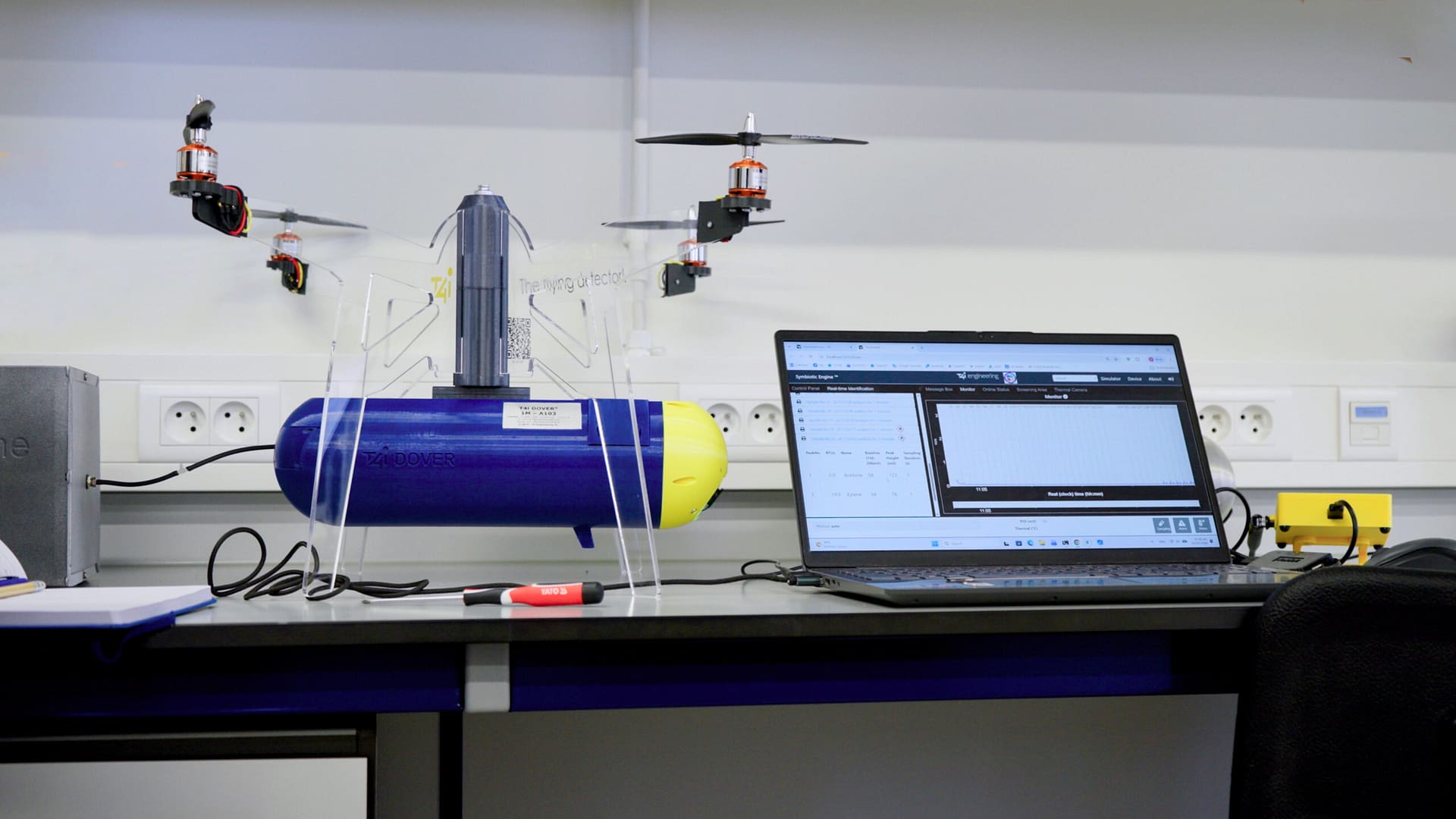
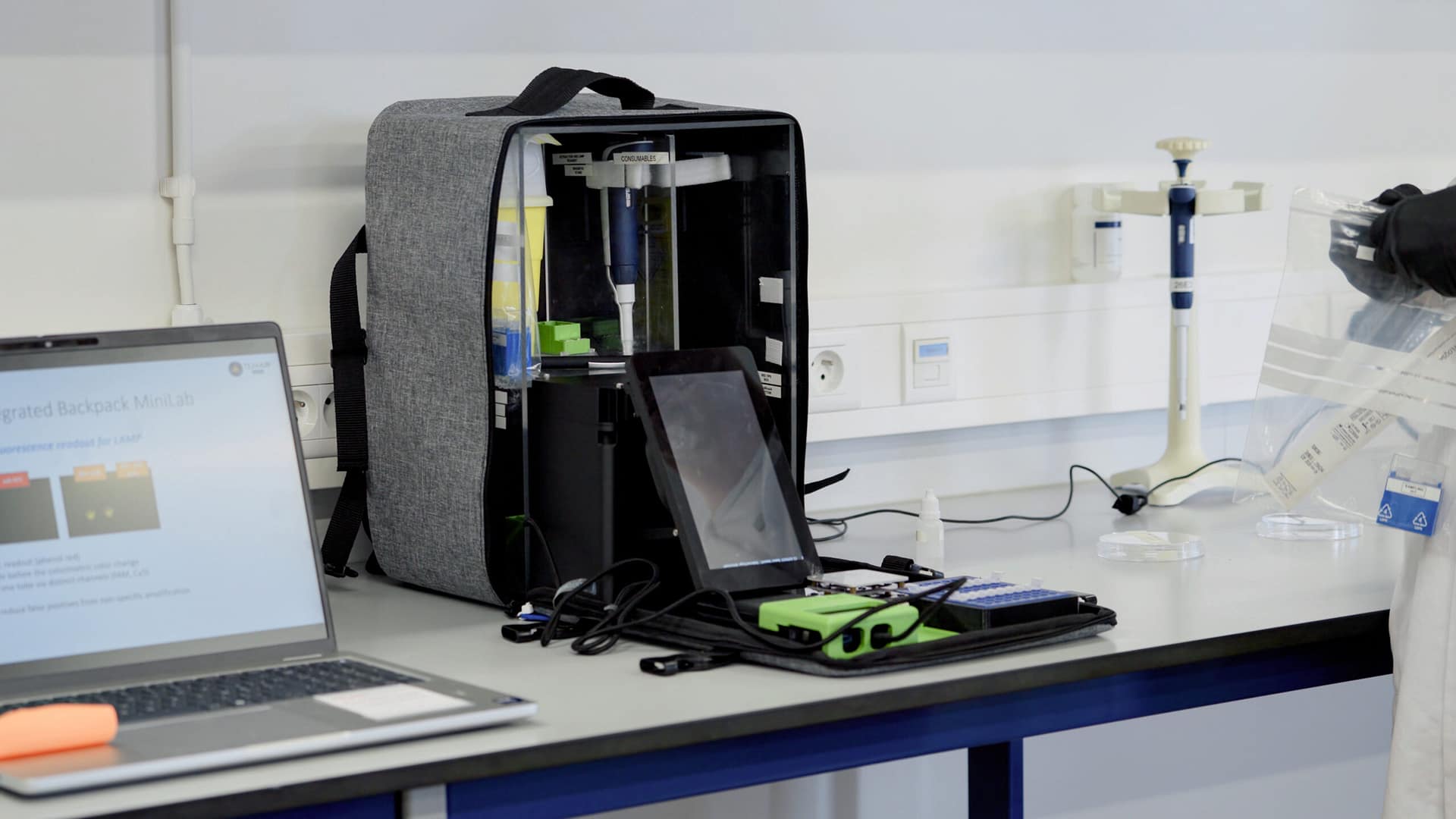
Chemical detection was covered through the Dover and the FemtoMachine, both developed by T4i. Dover spots and identifies chemical compounds, while the FemtoMachine helps generate stable, repeatable vapours for calibration of the Dover but also other commercially available chemical detection devices. Biological detection was tested with the Backpack LAMP and FET-LAMP from UCLouvain. Backpack LAMP is a portable mini-lab in the format of a backpack, designed for quick DNA or RNA testing. FET-LAMP offers a portable digital readout of the LAMP product from the Backpack LAMP and it is used as a confirmation of the Backpack LAMP result.
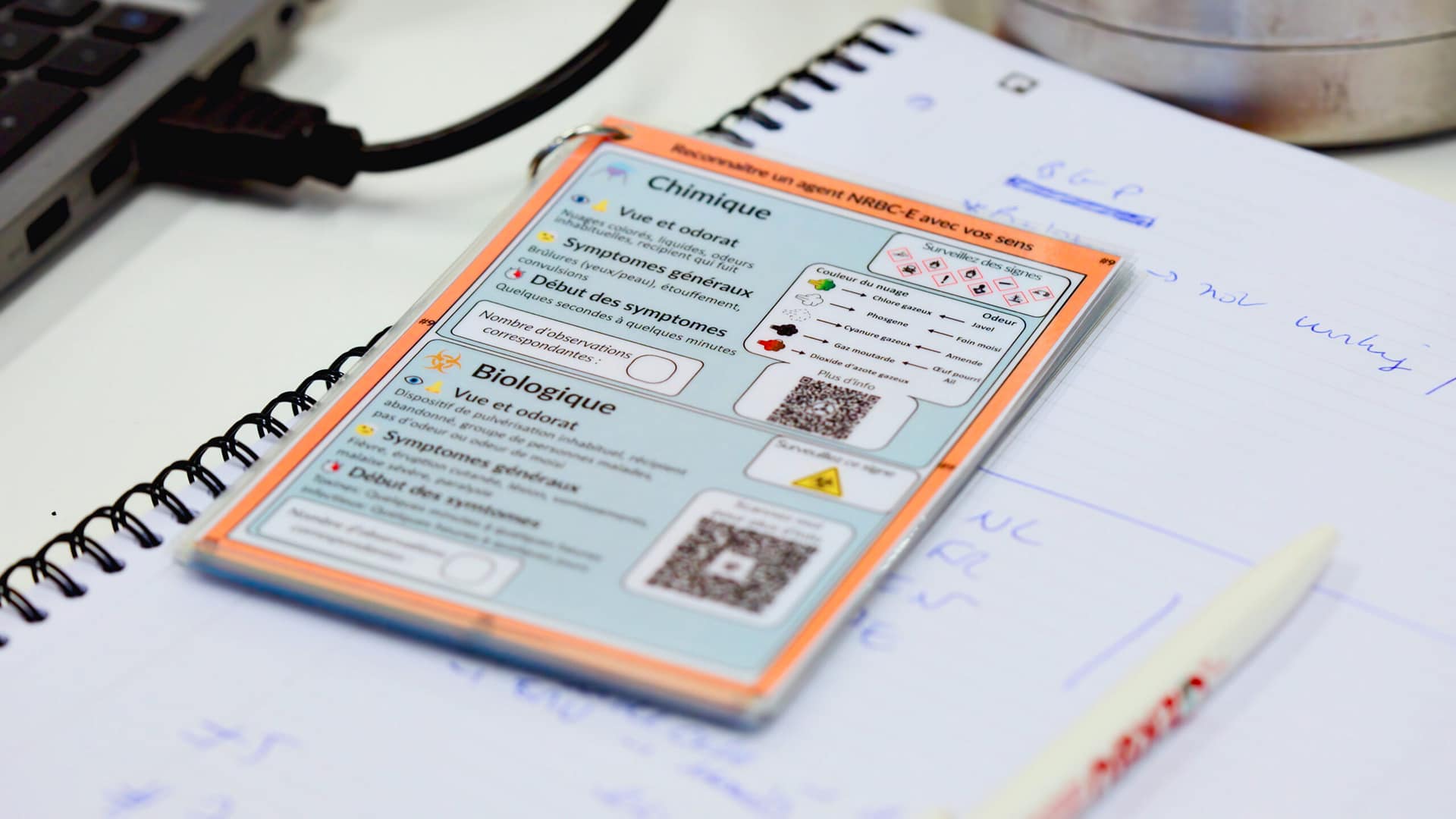
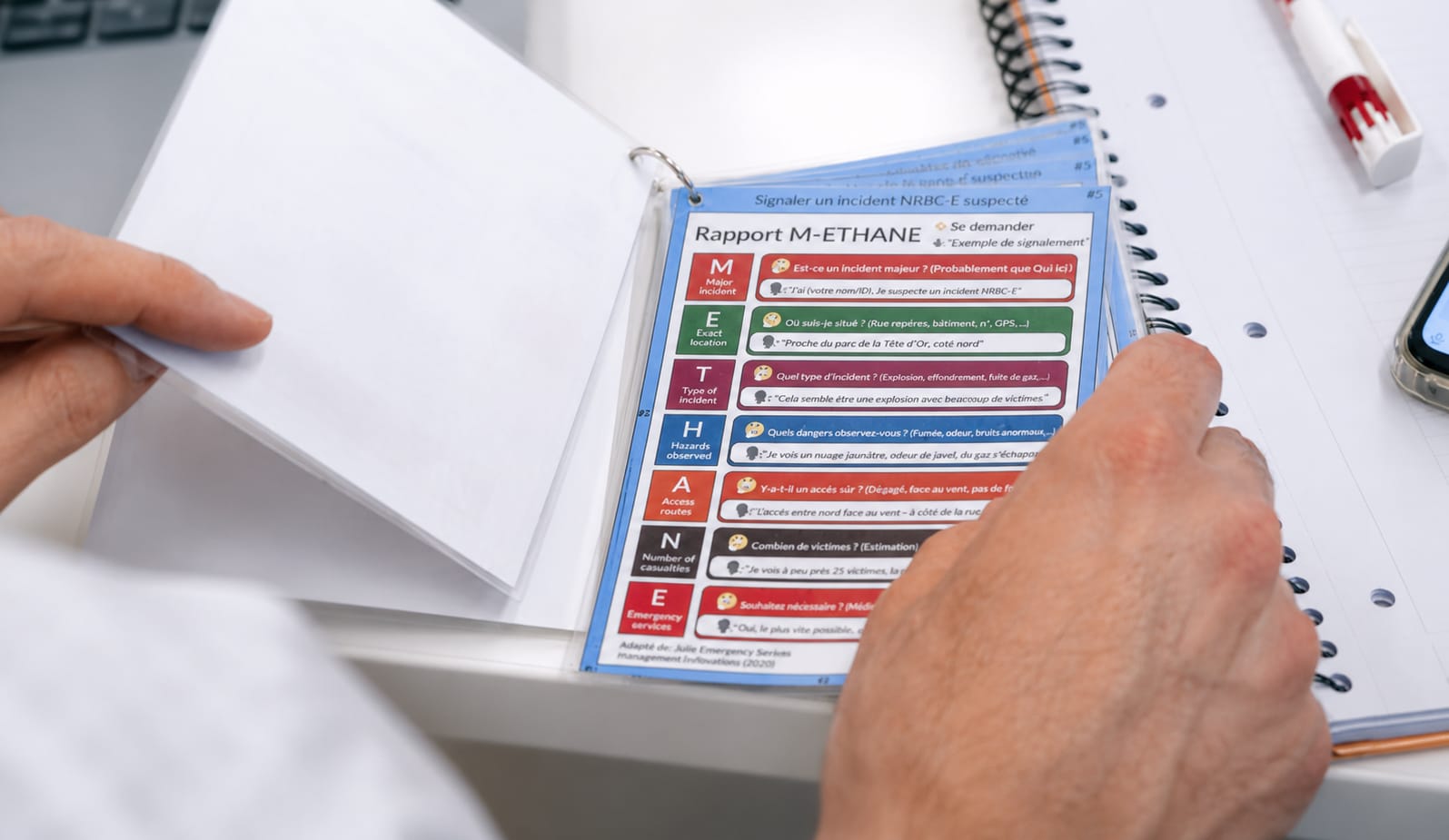
The Brussels test session also included the Beta Gamma Probe, developed by CEA and the Decision Support Toolkit by UCLouvain. The Decision Support Toolkit provides operational guidance for first responders during chemical, biological, radiological, nuclear and explosive (CBRN-E) incidents, including initial assessment, safety considerations, decontamination steps and search and rescue precautions.
These laboratory activities are a key step in TeamUP’s broader validation and integration roadmap. They provided controlled environments for the partners to verify technical functions, gather structured user feedback, and asses the readiness of selected tools before the upcoming Full-Scale Trials in Lyon and Athens.
From 7 to 10 July 2026, Lab Test 2.1 took place at Fraunhofer FKIE in Euskirchen, Germany. It focused on the Beta Gamma Probe, a compact, field-deployable system for beta and gamma radiation detection, with features including wireless connectivity, GNSS positioning, screen visualisation and audible and visual alarms.

The Euskirchen test with real radioactive sources provided important feedback on the Beta Gamma Probe prototype under controlled radiation protection conditions. While a full qualification of the device was not possible during this test phase due to fluctuations in the measured values after the on-the-fly repair, the activity generated useful evidence on the prototype’s response behaviour and helped identify points for further technical refinement.
In parallel, Lab Test 2.3 ran from 7 to 9 July 2026 at Hochschule Bonn-Rhein-Sieg in Rheinbach, Germany. This session focused on RapID, a mobile system for rapid explosives identification. RapID is designed to classify substances as explosive or non-explosive and to deliver fast measurement results, supported by a sampling procedure, user guidance and data transfer features.
Supporting further development and trials
Across all three lab tests, TeamUP partners collected structured feedback from technology providers, researchers and practitioner representatives. The goal was to check whether core functionalities work as expected, identify possible gaps, and push further tool refinement before their use in larger validation activities.
The results now feed into the continued development of the TeamUP toolkit and support preparations for the upcoming Full-Scale Trials in Lyon and Athens. These trials will provide the next opportunity to assess the integrated TeamUP approach in realistic operational settings. By bringing together detection, identification, monitoring technologies and decision-support tools, TeamUP aims to boost preparedness and response capabilities for CBRN-E incidents and give first responders practical, field-ready tools.